5 Killer Quora Answers To Double Glazing Repairs Northampton


What You Need to Know About Window Repair Northampton
Window repair Northampton is a crucial element in maintaining the aesthetics and energy efficiency of your home. property value of your home. It is possible to make a major impact on the appearance of your home by hiring the right professionals to repair your windows.
Traditional joinery, like windows with sash, should be kept as long as it is possible. If this isn't feasible the use of resin-based repairs is often a good alternative. They are usually made from an amalgamation of wood dust and two parts epoxy or polyester resin.
Frames
Frames are a crucial component of any window. The condition of the frame can influence the movement of sashes or casements as well as the strength and stability of the hinges. They can be made of wood or steel and require regular maintenance to ensure their safe operation.
Windows made of wood, particularly Victorian or Georgian are more prone to decay due to the time between the last cleaning or repairs. The frame and wall are the most susceptible points in an architectural timber structure. However, it could happen at any point. The most obvious signs of decay are lost putties to the glazing, rot at the base of the frame as well as broken sash cords.
Wood windows can be repaired by removing rotten wood , and replacing it with high-quality wood inserts that are a good match to the original profile. door repair northampton are then nailed, or bolted into place. They should be made from high-quality wood that is compatible with the original moisture content and the species.
Another option is to splice the repairs, but it is essential to ensure that there is no water intrusion created into the repair joint. This is especially important where the sash frame and wall join aren't aligned with one another because this allows water to enter through the joints between the two components.
It is easy to remove rust from windows made of rolled-steel with wire wool, and wet-and-dry paper. Then, apply a zinc-phosphate-rich metal primer before repainting. In more severe cases, sections of the frame may need to be cut and replaced by a specialist, like a steel fabricator, who can weld or create new sections for the repair.
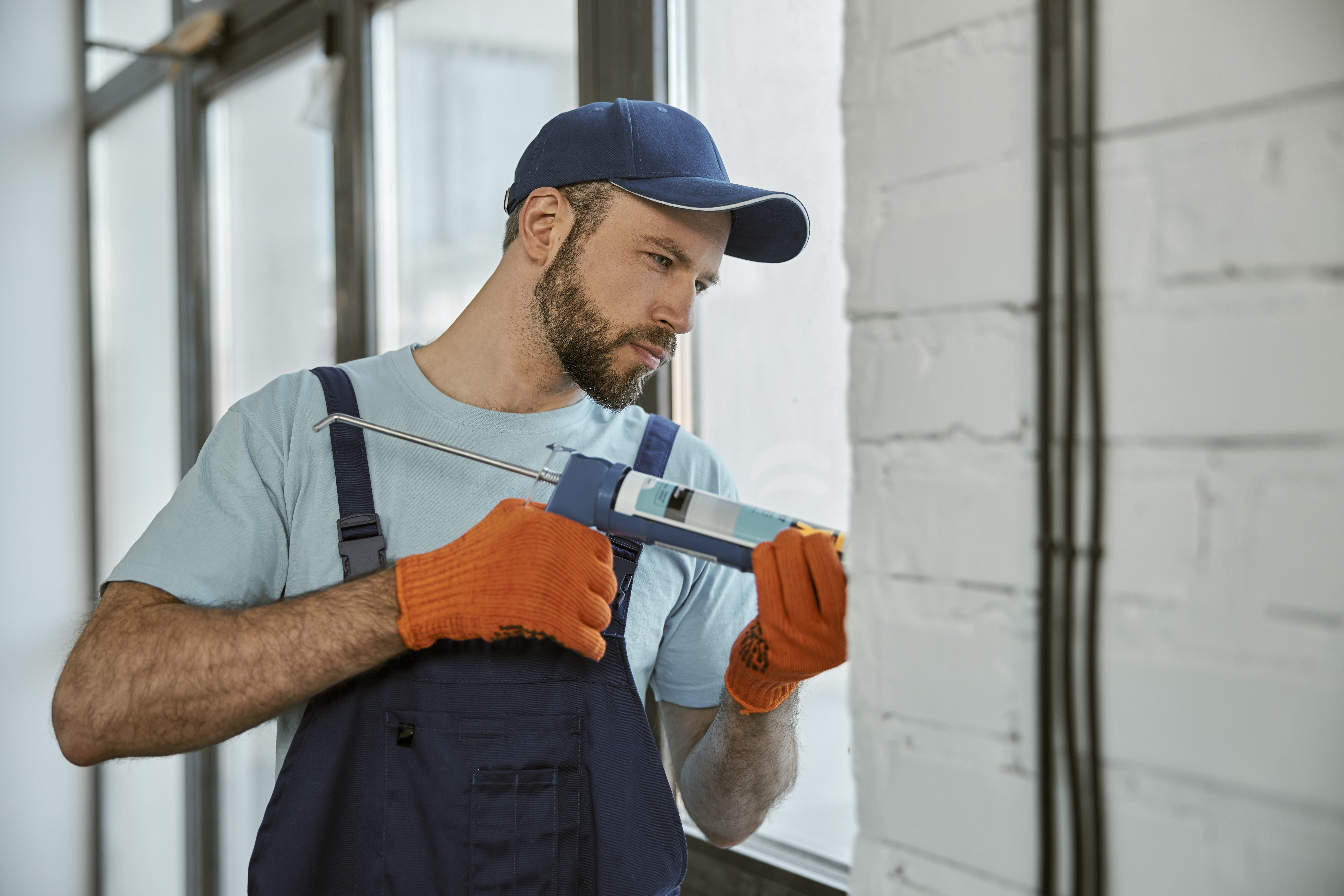
Metal windows can also be treated by filling up deep gaps in the frame to stop water from accumulating there and leading to corrosion. Some modern mastic sealants can be used to accomplish this, but care must be taken not to overfill the gaps as this can trap moisture and lead to further damage.
Sashes
Sashes play a vital role of the window system, if they are not in good condition they can cause many issues. They can be difficult to open and close and can cause leaks. It is therefore crucial to check your sashes on a regular basis, at least every year.
If windows aren't opening and closing smoothly, you should seek out an expert. They can determine whether the issue is with your frames or sashes.
Depending on the style of window you have, your sashes can be made of wood or uPVC. In the case of uPVC typically, it's less expensive than timber frames, and is more robust and energy efficient. It is available in a range of colors and finishes , so you can choose the one that meets your needs.
Older sashes might need to be replaced. There are many places that sell replacements.
There are a variety of ways to determine that your sashes should be replaced however one of the easiest is to examine them for signs of wood rot or warping. If the sash appears to be damaged, you should fix them as soon as you can.
Another way to check your sashes is to move them up and down. If they're stuck along the tracks, it could indicate that your sash has been aligned improperly. This is a frequent problem and you should have your sashes checked by an expert at least every year to make sure that they're in good working order.
Apart from sashes, there are other components that you need to look over. First, check to ensure that the hinges in good condition. If they're not, you should consider replacing them with hinges that are more durable and secure.
You should also be able tell whether your sashes are still in good condition by the color of the wood. If they're more dark than usual and you think it's time to replace them.
Cills
Cills are a crucial part of a window. They are responsible for diverting rainwater away and securing the brickwork underneath. They are generally designed to slope out and project beyond the outer face of the wall. This is so that when rain water hits it, it runs through the cill before it drips off and into the gutter.
If a cill is damaged or has started to decay, it should always be replaced. It must be the same size, preferably hardwood (or oak) that is well-seasoned and thoroughly primed and painted. It should also have a drip that can direct water towards it.
Cills made of timber are particularly prone to decay and should be replaced with a durable wood, such as oak. It should be carefully primed and painted and , if necessary, have a drip on the bottom of its projection.
If any glazing bars of iron or lead, brass have survived and survived, they should be preserved. The wood jambs and the outer liner should not be removed from the ends. A careful and careful piecing of the wood inserts is another way of reinforcing the cill and conserving as much fabric from the past as possible.
Sometimes small areas of damage can be repaired by using fillers made from wood dust and a two-part epoxy, or polyester resin. These are often used to repair sash windows , where the worst decay is first removed, but is not restored to sound wood. Instead, weakened areas are strengthened by the resin consolidant.
Cills also serve to protect the glass from condensation as well as to support the bottom of the window. This means that it is less likely to shift from its spot and cause draughts and rattles within the sash.
There are a variety of cills. They can be very decorative. It is essential to think about the style you'd like to achieve when you purchase these. You can choose from stone, cast stone or concrete as well as tiles and non-ferrous metallics. They can add style and class to a space. They can also help divert water away from the structure, thereby reducing damp issues.
Glazing
Whatever the window is made of timber or steel, it is important that the glass within the frame is kept intact for security and safety reasons. There are different kinds of glazing to suit these needs, such as laminated glass wire mesh, glass that has been tempered.
Laminated glass is produced by using pressure and heat to join two or more layers glass, with an interlayer made of polyvinylbutyral (PVB). If a sheet of this kind is damaged it will break up into pieces that are held in frame by the PVB and keep the entire window intact.
Wire mesh that has been in use for centuries, is effective in holding glass in place in the event that it breaks due to high temperatures. It is best to use it in conjunction with heat-strengthened or tempered glass.
You can color it the like stained glass using metallic salts or firing it in an open fire kiln. This can produce various effects, including Victorian and Georgian stained glass, as well as contemporary etched or sandblasted designs.
The same technique can be employed to restore old iron windows and it is especially beneficial in situations where the original glazing bars are still in good shape but need to be protected from damage. It is important to keep in mind that the metals used in the original design as well as the production of the window might be different from the ones that are used in modern.
Resin-based repairs are also employed in situations where traditional joinery is not feasible because the components can be mixed and applied to a limited area of loss. It is crucial to keep in mind that resin-based repairs can fail when there is not enough differential movements between the wood and the filler material.
The most frequent failure occurs at the timber/filler joint where the ingress of moisture through the crack could cause further decay of the timber underneath. This is particularly prevalent with traditional window joinery where the timber and putty are not tightly bonded.